Basil
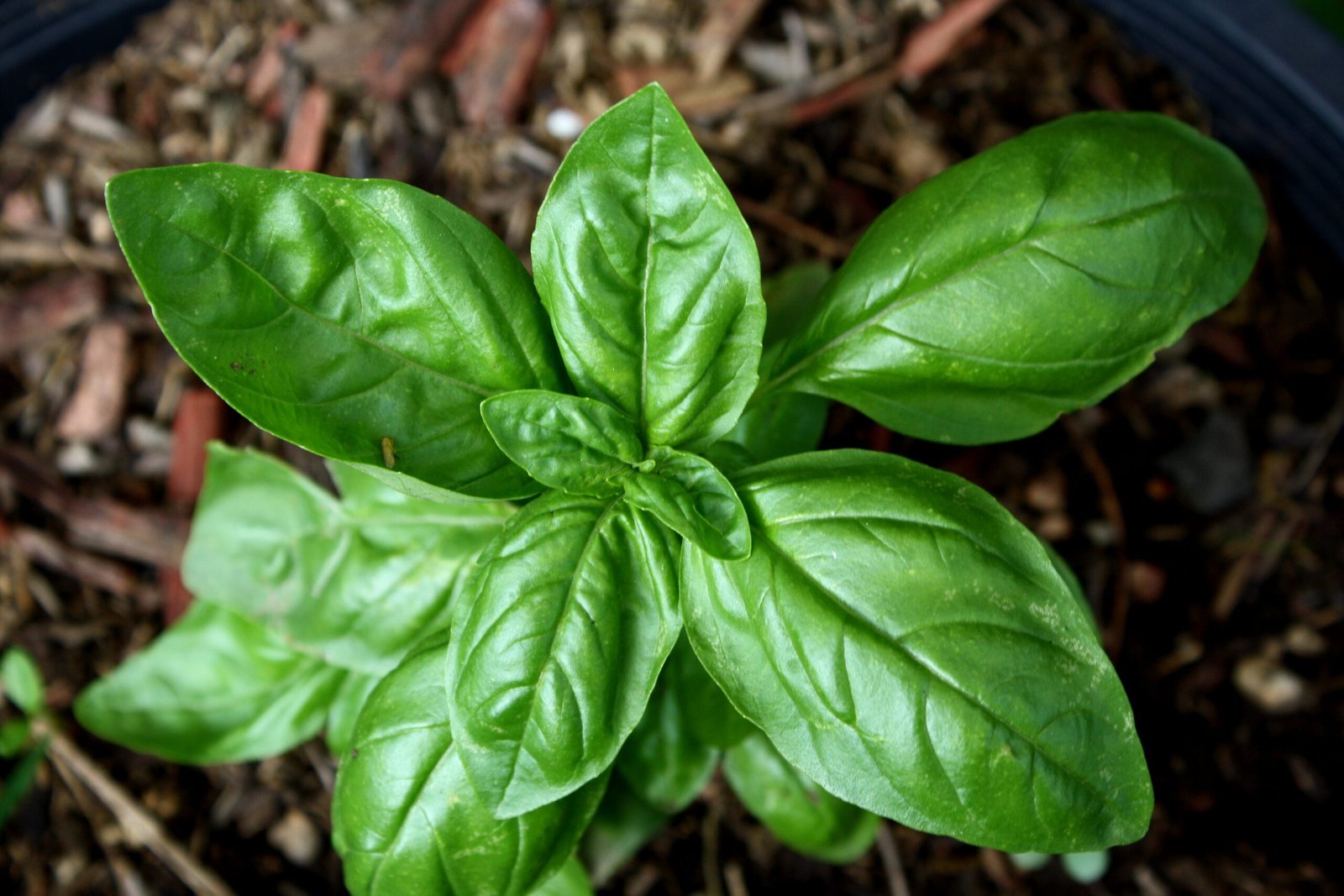
Basil is an herb that is pretty common here in the United States. You can find it either fresh or dried in your local supermarket under the common name of either Sweet Basil or Garden Basil. This variety is the mildest in flavor and has large oval leaves with white flowers.
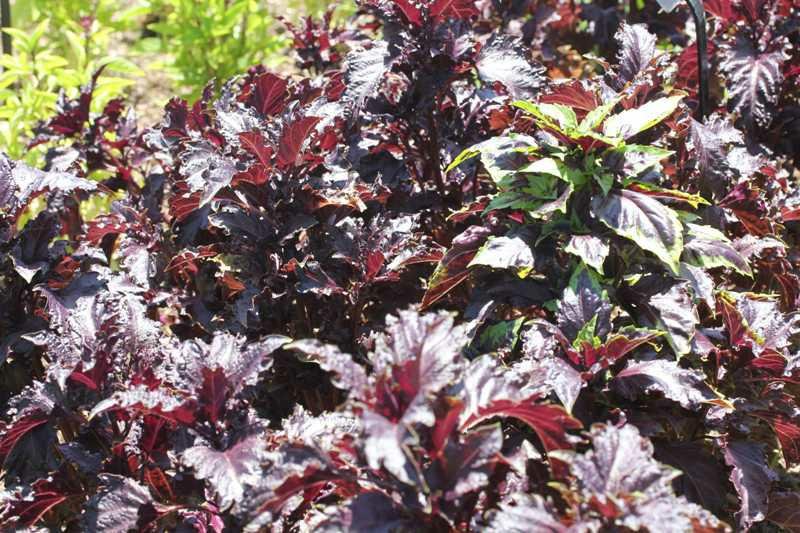
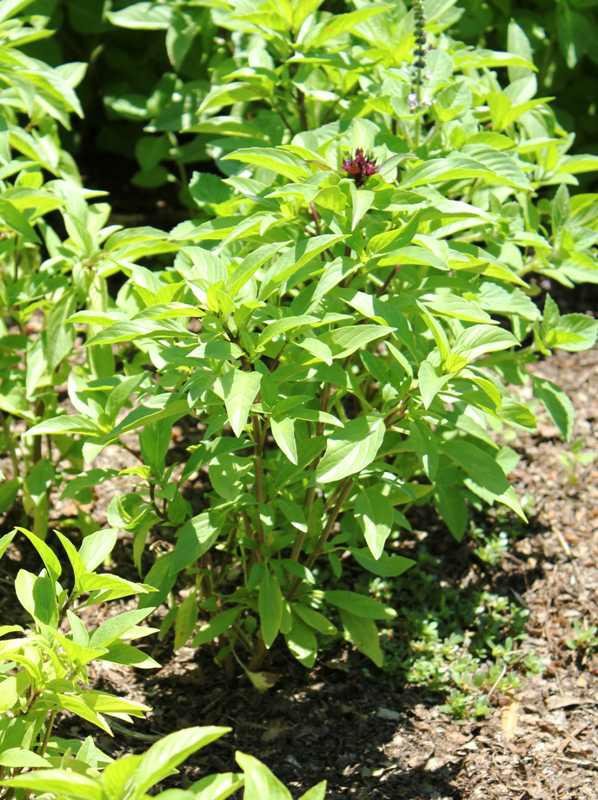
There are a variety of flavors, shapes, sizes, and colors and these include: Boxwood, Napolatano, Nufar, Purple Ruffles, Queen of Sheba, Sweet Dani, Sweet Large Leaf Italian, Thai Siam Queen, Well-Sweep Miniature Purple, Horapha – (anise Basil), Lemon, Lime, and Cinnamon. Each one has it’s own unique flavor, scent, leaf shape, and color!
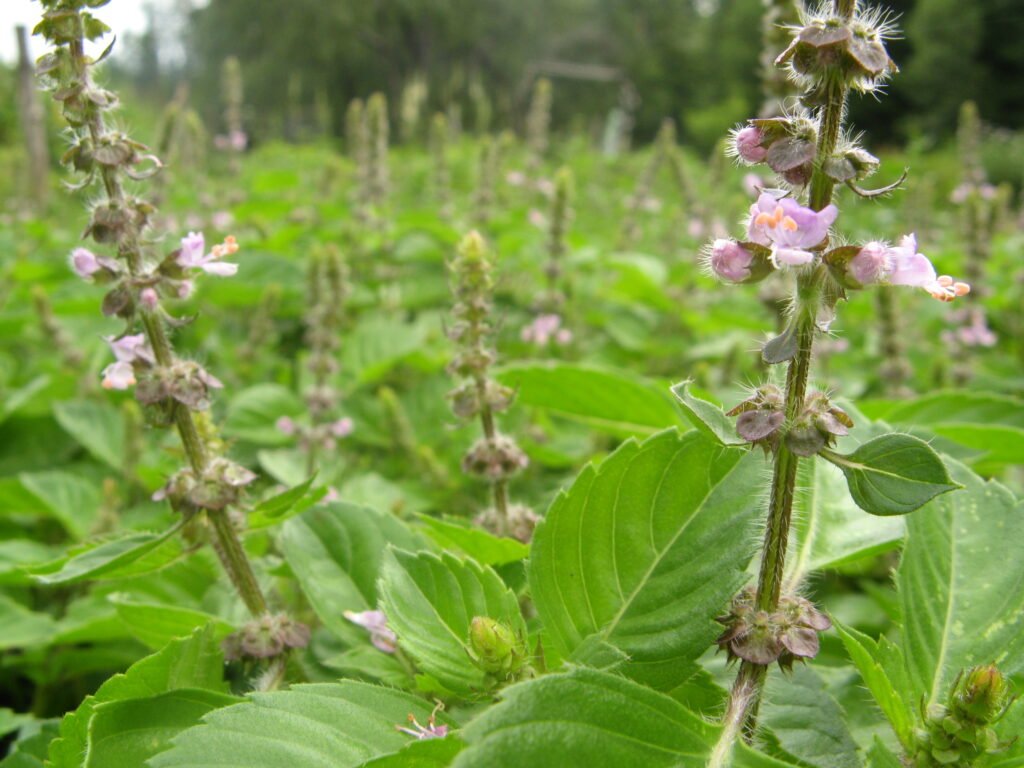
Another variety Ocimum sanctum (Labiatae) is Holy Basil or Tulsi in Hindi. It is a sweet basil but is indigenous to India where it is considered sacred to the goddess Lakshmi, wife of Vishnu, the god who preserves life.
History
Basil is a native plant from Tropical Asia, India, and Africa and is considered sacred to the Hindu gods Vishnu and Krishna. It is a traditional practice of the Indian people to place a sprig of basil on their dead loved ones to help them travel to their next life. In court, Oaths were sworn upon it because it was believed to be imbued with divine essence.
In the Greek Orthodox Church, basil has been used in the preparation of holy water and pots of it were sometimes set below church altars because it was believed that basil was holy because it was found growing outside of Christ’s tomb after he was resurrected.
During Medieval times, most people were afraid of basil. They thought that scorpions were drawn to the plant and that if you left a sprig of basil under the basil pot, it would turn into a scorpion. They even believed that smelling the herb used in snuff would allow scorpions to nest in their brains. These fears were prevalent through the 17th century. The theory is that the people misunderstood the Latin name Basilicum with Basilisk. Which is actually a snake like dragon that has the power to kill by just looking at it’s prey!
Magickal and Spiritual beliefs
Basil is said to be a very attractive plant to dragons. Wherever basil is grown, dragons will be close by. Especially the basilisk dragon! This is a dragon that breathes fire, has deadly venom, can kill with just a look, and has skin that repels snakes and spiders. This is a very powerful dragon!
So how does one manage a dragon like this who might be hanging out in the basil patch? Why, you call on the spirit of the basil itself! It is said that the basil spirit will show itself as an elf like creature. They have the knowledge of how to summon and control dragons. By meditating on the basil plant and asking the spirit of the plant to teach you, you will learn lessons on how to incorporate greater discipline and devotion into your life. Imagine that you are the dragon, and you must learn to control your desires and actions so that you don’t end up harming the people around you!
It is also said that if you sprinkle basil all over your body, it will attract riches. I’m not sure if this one works or not. But if you try it and it works, please let me know!
Pest Control Uses
Besides being a culinary herb, basil can also be used to repel insects. Place a potted plant on a window sill or on the middle of your picnic table to help repel flies and mosquitoes. Or, plant a few basil plants amongst the citronella plants around your patio for a season long natural insect barrier. Of course, the plants won’t keep ALL the flies and mosquitoes away! But they just might reduce their numbers to a manageable level!
Medicinal Uses
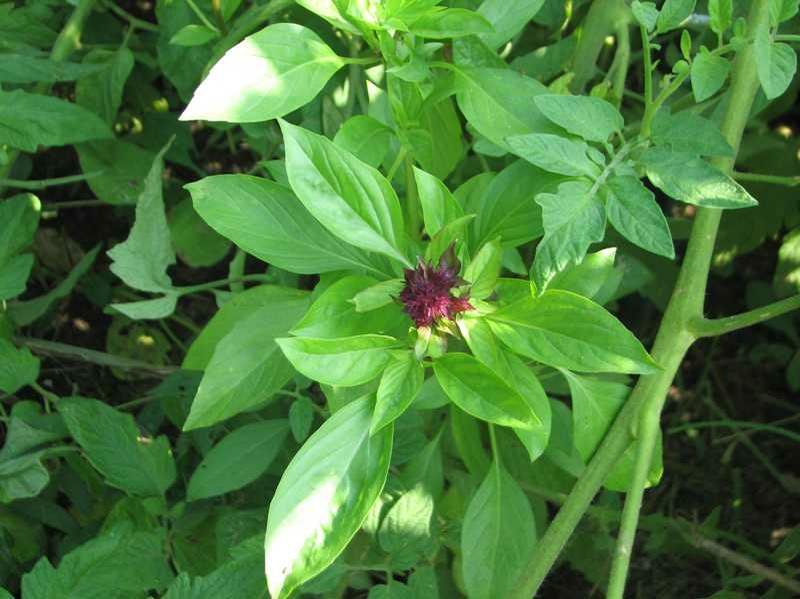
Basil has carminative, antipyretic, stimulant, alterative, diuretic, nervine, anti-inflammatory, tonic, and disinfectant properties. What does this mean? It can be used to relieve headaches, nervousness, panic attacks, nausea, vomiting, indigestion, fevers, colds, flu, kidney and bladder troubles, cramps, and constipation. It can also stimulate milk production in lactating women and be used as a topical antiseptic when cleaning cuts and scrapes.
When the herb is dried and crushed into a powder, it has been used as a snuff in the past to alleviate stuffy noses and headaches. Personally, I find that to be uncomfortable to even think about doing! More often than not, the herb is infused in water to create a tea or tonic. This tea can then be used for either drinking to help with internal issues, or poured into a bath to alleviate skin issues or to wash wounds. When it is infused with oil, it can be taken directly or put into soaps and salves for use on the skin.
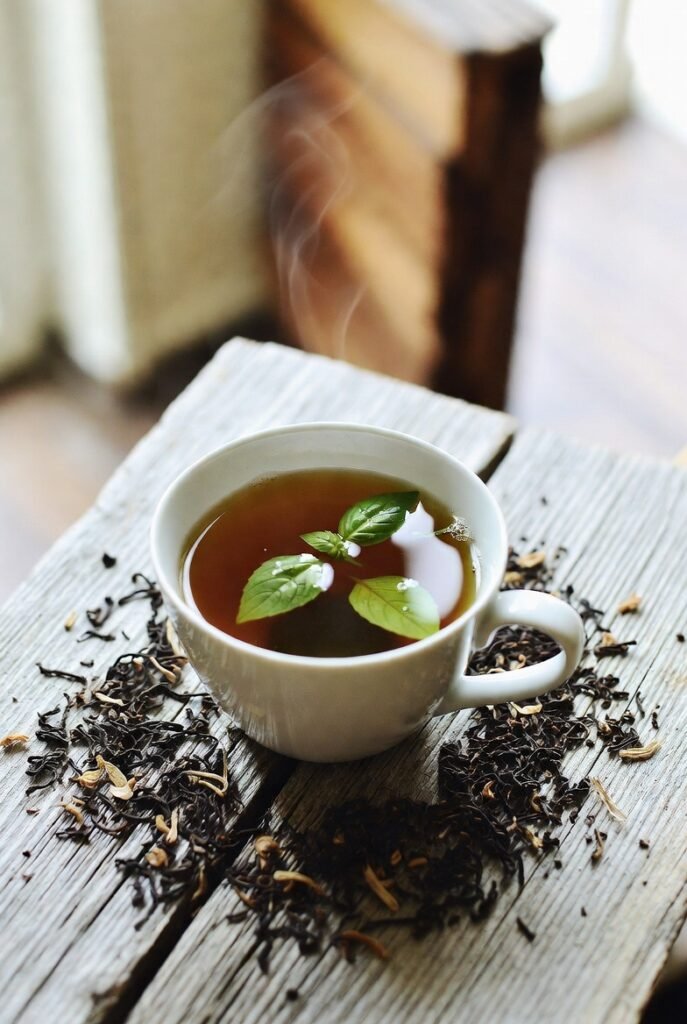
How to Make Basil Tea
Make an infusion (tea) by steeping 15 ml/1 Tbsp of fresh basil or 5 ml/1 tsp of dried basil in 120 m./4 fl oz (1/2 cup) of hot water for about 3 to 5 minutes or longer if you like a stronger tea. Add sugar or honey to taste if needed.
Culinary Uses
Basil is best known for being used to make pesto and added to tomato based dishes. Personally, I have never had pesto so I don’t really know how it’s made or what it tastes like. If you do, leave a comment below and share with us your favorite pesto recipe, how you use it, and let us know what to expect in the taste department as well!
I have used basil in a variety of my dishes! I use it in salads in the summer to bring a bit of spice to an otherwise bland salad. I’ve added it to my salsas, as well as my spaghetti sauces. I must admit, I don’t use it nearly as much as I should!
Growing Basil
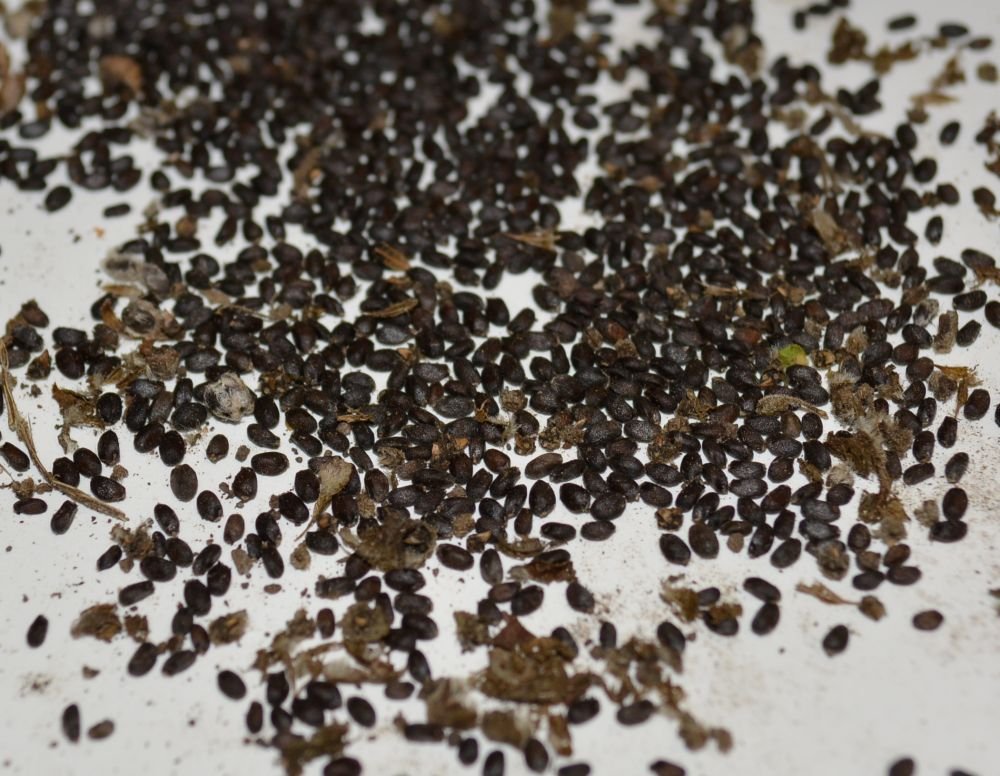
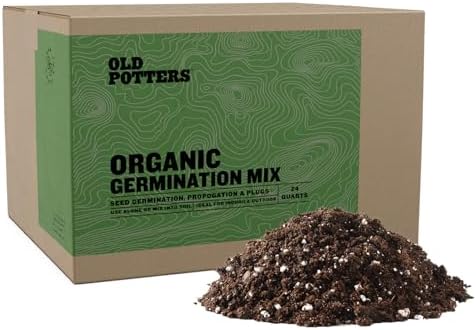
Growing basil is really quite simple. About 4 to 6 weeks before the last frost in your area, plant several seeds in a seed starting tray using a seed starting mix. Keep them warm and moist, but not wet, until they sprout. Then move the sprouted plants to a sunny window away from cold drafts. When the plants have their first 2 true leaves, they can be transplanted into a larger container. When the weather begins to warm, set out the baby basil plants during the day in a bright spot to help harden them off before planting them directly into the ground. Bring them in each night until the night time temperature stays above 45°F. Once it’s warm enough, plant them into a sunny spot in the garden that has rich well drained soil. Pinch off the flower stalks as they grow to encourage more leaf production. Harvest the leaves all season as you need them. Remember to never harvest more than 1/3 of an entire plant at any one time. Harvesting more than that will stress the plant, and reduce the quality of your leaves.
In the fall, you can either take cuttings from your plants to make starts indoors for the winter season, or, you can do like I do and just start a new batch from seed directly in the pot that will live in the house all year.
You can also dry your basil leaves using whatever method you choose. Please be aware that the color of the basil leaves will darken in storage. It’s best to use fresh basil whenever you can and replace your dried stock often to keep the flavor fresher.